Could what you eat during pregnancy literally change how your baby’s face develops? It sounds almost unbelievable, but research shows that your prenatal diet actually shapes your child’s facial structure, breathing ability, and lifelong health.
What you’re about to read isn’t something most doctors talk about in your 10-minute prenatal appointments—but it could be the single most important information you receive during your pregnancy.
As a health coach and mom of four who’s been pregnant or nursing for 8 straight years, I’ve seen firsthand the incredible difference that eating traditional, nutrient-rich foods can make. Thousands of women worldwide have turned to the Weston A. Price approach for healthier pregnancies and stronger babies.
Why Your Pregnancy Diet Matters More Than Ever
Let’s be real: our kids are getting sicker. Allergies, ADHD, asthma, obesity—these problems that were once rare are now everywhere. While genetics play a part, Dr. Weston A. Price discovered something profound decades ago: what we eat before and during pregnancy dramatically impacts our children’s physical development and health.
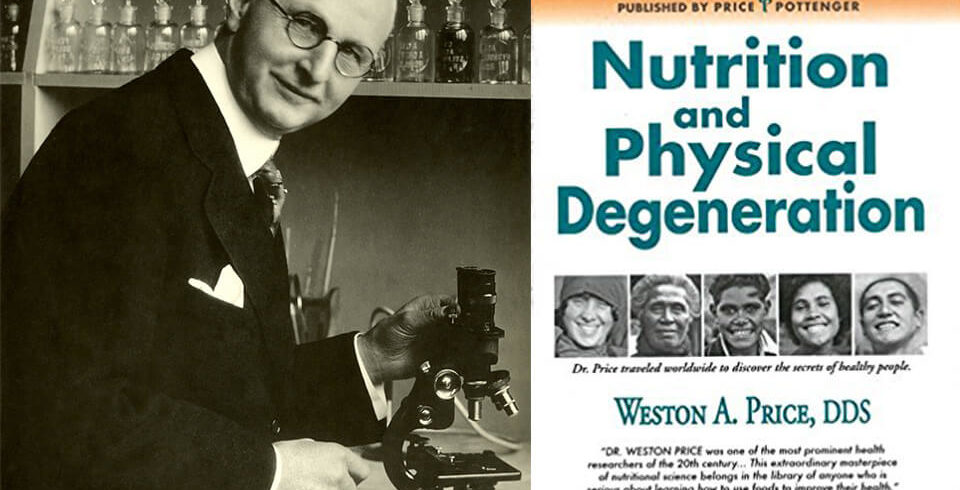
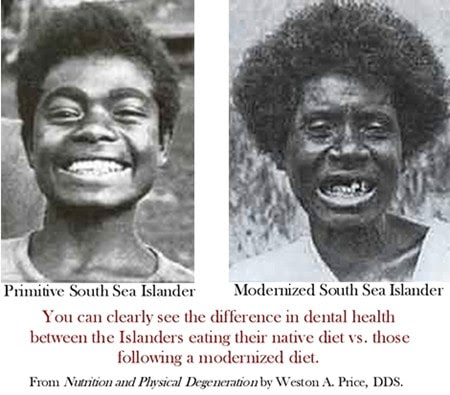
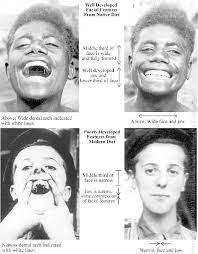
Dr. Price was a dentist who traveled the world in the 1930s studying communities that still ate traditional diets. What he found was shocking. Kids whose parents ate nutrient-dense, traditional foods had wide faces, straight teeth, and rarely got sick. But when these same communities started eating processed Western foods, everything changed. In just one generation, their children had narrow faces, crowded teeth, and tons of health problems.
The most important finding? These weren’t genetic changes—they were nutritional. This means that no matter your family history, your diet during pregnancy can make a huge difference for your baby.
The Two-Year Head Start: Building Your Baby’s Future Face
Here’s something fascinating: the healthiest communities Dr. Price studied didn’t just eat well during pregnancy—they prepared for up to two years before conceiving. Both parents ate special fertility foods packed with fat-soluble vitamins to create the healthiest possible baby.

This pre-pregnancy nutrition wasn’t just tradition—it was wisdom. By building up their nutrient stores before conception, these parents gave their children the best possible start in life.
Traditional fertility foods included:
Animal Foods: Grass-fed meats, liver and other organ meats, pastured eggs, and wild-caught fish—all rich in the vitamins and minerals needed for optimal development.
Plant Foods: Fruits, vegetables, nuts, seeds, and grains that were properly prepared by soaking, sprouting, or fermenting to unlock their nutrients.
The takeaway? Getting your body ready before pregnancy is just as important as what you eat during pregnancy.
The Science Behind Building Beautiful, Healthy Babies
The Weston A. Price approach focuses on foods our ancestors thrived on—foods that give your baby everything needed for optimal development.
Why Animal Foods Matter
- Grass-Fed Meats: Complete protein, iron, zinc, and B vitamins for your baby’s growth
- Organ Meats (especially liver): Nature’s multivitamin, packed with vitamin A, iron, and nutrients that prevent birth defects
- Full-Fat Dairy: From grass-fed cows, providing the fats needed for your baby’s brain and nervous system
The Power of Plant Foods
- Fruits and Vegetables: Vitamins, minerals, and antioxidants for you and baby
- Nuts and Seeds: Healthy fats and minerals like magnesium for your nervous system
- Properly Prepared Grains: Soaked or fermented for better digestion and nutrient absorption
The Magic of Fermented Foods Sauerkraut, kimchi, yogurt, and kefir aren’t just tasty—they’re packed with good bacteria that support your gut health. A healthy mom gut means a healthier immune system for baby. Your microbiome directly impacts your baby’s developing immune system, setting them up for better health throughout life.
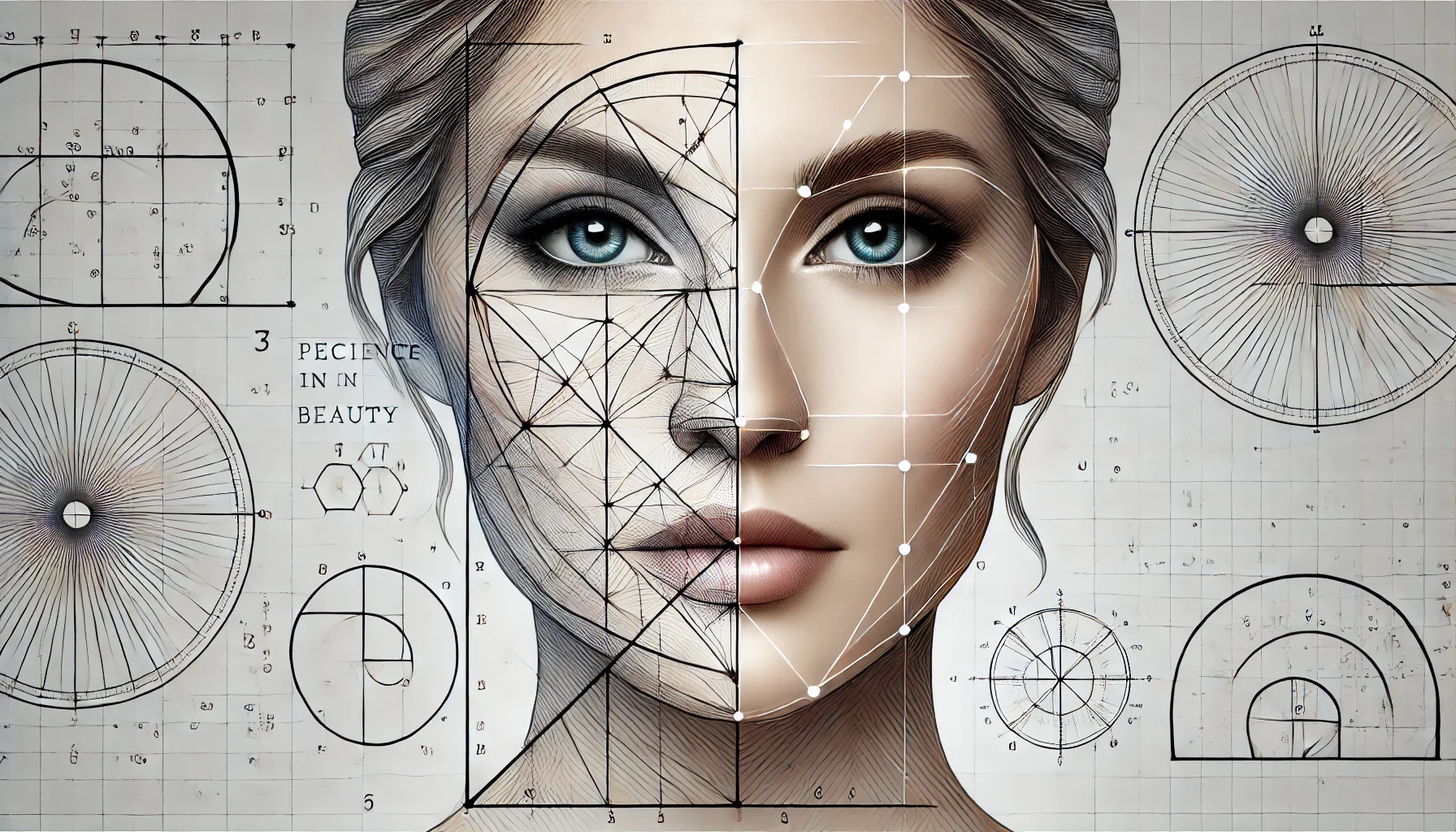
The Beauty-Health Connection: Why Your Baby’s Face Matters
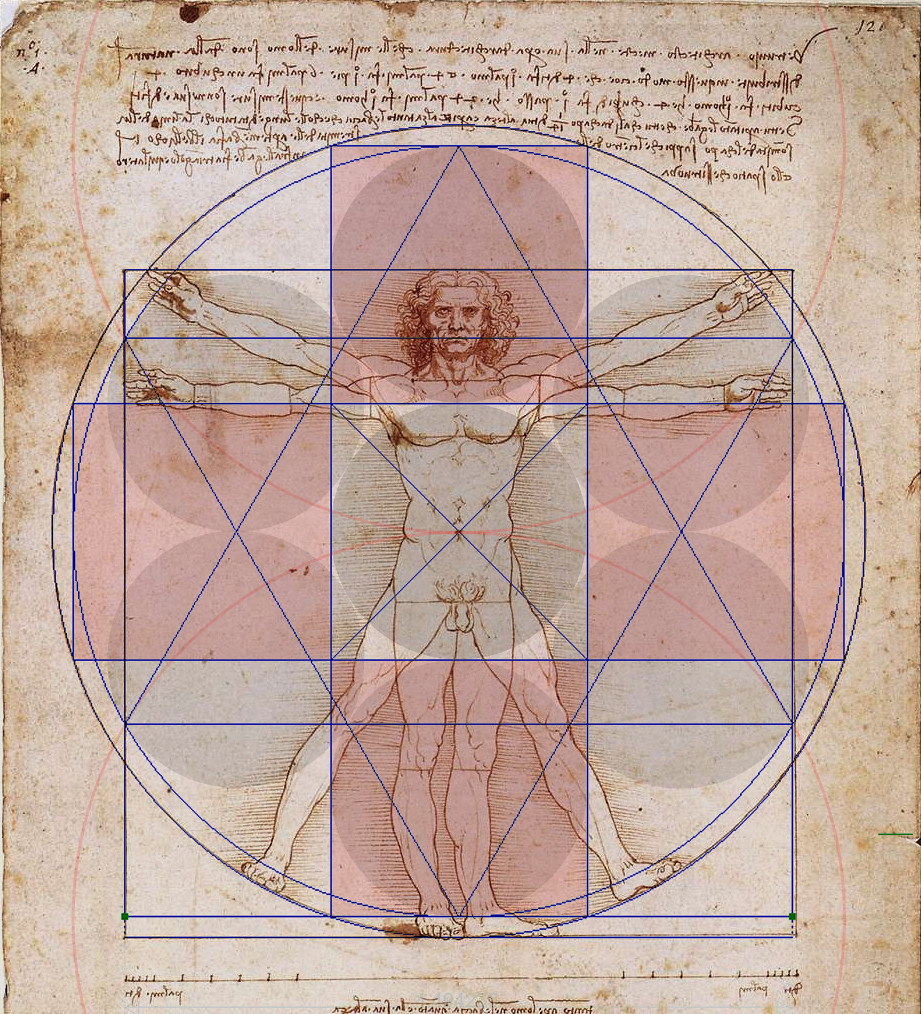
This is where things get really interesting. Dr. Price noticed that kids eating traditional diets didn’t just have straight teeth—they had beautifully symmetrical faces. And here’s the kicker: this isn’t about vanity. It’s about health.
As Ben Greenfield writes in his book Boundless:
“As irrelevant as these facts are to contemporary ‘we’re all beautiful in unique ways’ philosophy, they are incredibly relevant if you’re trying to reinvent your body or your health, or if you want to give your child the highest chances of health and success.”
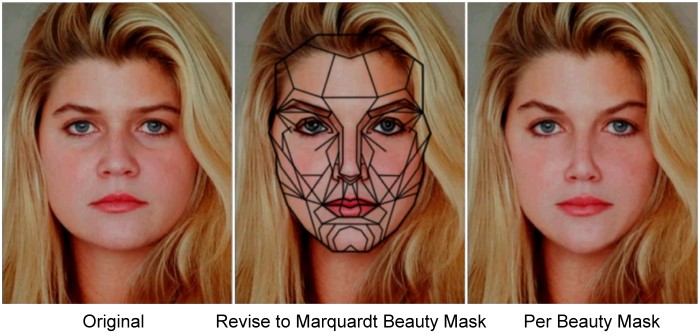
Scientists like Dr. Marquardt have studied this connection between beauty and health. They found that beauty is actually mathematical—based on the golden ratio and symmetry you see throughout nature. And it starts forming in the womb.
When a baby’s face develops symmetrically, they get:
- Wider airways for better breathing
- Proper sinus drainage (fewer infections!)
- Better sleep quality
- Optimal brain development
But when the skull doesn’t form properly? That’s when problems start. Sleep apnea can develop, which literally
“starves the brain of oxygen needed to develop normal intelligence.”
Narrow airways lead to mouth breathing, which causes its own cascade of health issues.
The Critical Window: Weeks 6-9 of Pregnancy
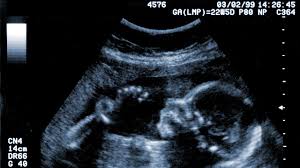
Here’s what every pregnant woman needs to know: weeks 6-9 of pregnancy are make-or-break for your baby’s facial development. During this tiny window, vitamin K2 plays a starring role.
Without enough K2, researchers found something alarming: the nasal septum (that’s the cartilage in your nose) calcifies too early. This causes the middle of the face and upper jaw to be underdeveloped, leading to:
- Narrow airways (hello, breathing problems)
- Crowded teeth (future braces, anyone?)
- Sleep issues that can affect intelligence and behavior
The good news? Getting enough K2 during this critical window helps everything develop properly. You can find K2 in:
- Grass-fed butter
- Natto (fermented soybeans)
- Hard cheeses like Gouda
- Egg yolks from pasture-raised chickens
- Liver and other organ meats
When Food Isn’t Enough: The Supplement Solution
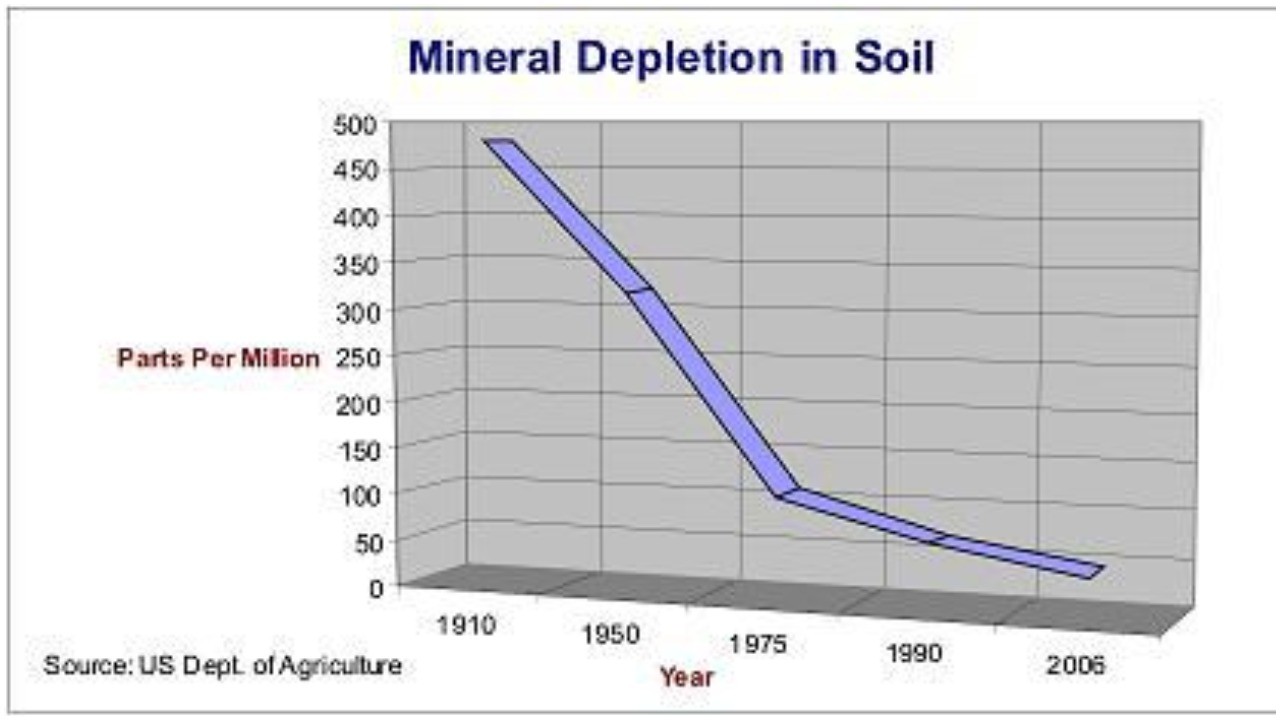
Let’s talk about a problem most pregnant women face. Our food today is about 50% less nutritious than our grandparents’ food. Add morning sickness to the mix, and getting proper nutrition becomes really challenging.
As Shawn Stevenson says:
“It’s not what you eat, it’s what you assimilate”
meaning it’s what your body actually absorbs that counts.
Here’s the shocking truth: most prenatal vitamins only have a 10% absorption rate.
“We cannot have pregnant women growing entire humans only getting 10-20% of their supplement—it’s crazy!”
Janelle Judy
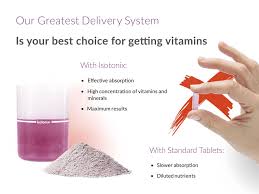
If you’re in your first trimester, especially weeks 5-10, consider a rapid-absorption vitamin D3 + K2 supplement. These special formulas can deliver up to 95% of nutrients directly to you and your baby. They work like this:
- They match your body’s natural mineral concentration
- Nutrients enter your bloodstream quickly through your mouth and upper GI tract
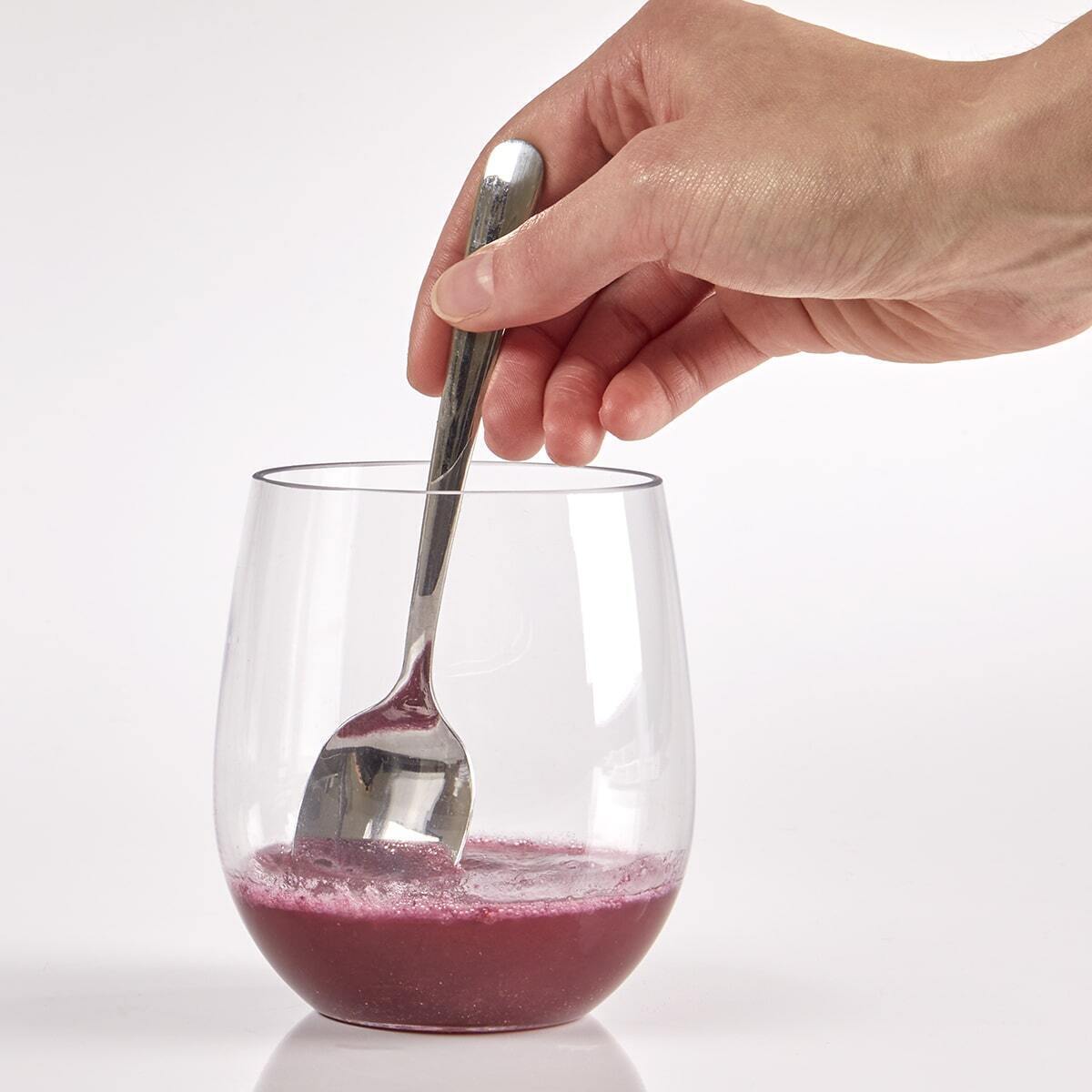
- They create a gentle bubbling sensation in water (more like a drink than a pill)
- They work even when morning sickness makes eating difficult
And here’s a bonus: proper supplementation doesn’t just help your baby. Many moms report less postpartum hair loss and stronger nails because they’re finally getting the nutrients they need.
What to do right now: If you’re in your first trimester—especially between weeks 5-10—don’t wait. This developmental window is happening now, and waiting even a few weeks could mean missing the chance to support your baby’s optimal development.
Find the liquid isotonic prenatal multi and the D3 + k2 here.
Your Choice, Your Baby’s Future
The decisions you make today about your diet don’t just affect this pregnancy—they could influence your grandchildren too. By choosing traditional, nutrient-dense foods and ensuring proper absorption with quality supplements, you’re doing something profound: giving your child the best possible foundation for lifelong health.
Remember, this isn’t about being perfect. It’s about making informed choices with the knowledge our ancestors understood intuitively. Every meal is an opportunity to nourish not just yourself, but the future.
Your baby’s face, breathing capacity, and lifelong health are being shaped with every bite you take. You have the power to give them the strongest possible start.
