I had 3 symptoms that completely blindsided me throughout all four of my pregnancies. By my fourth, I thought I’d have it all figured out, but nope – these weren’t the typical morning sickness and back pain everyone talks about.
I’m sharing my real stories, what actually helped, what I regret not doing, and what I’d do differently if I had a fifth baby. My hope is that by the end of this post, you feel a little more prepared, a little less anxious, and especially less alone.
1. Leg Pain That Made Me Collapse
This was the worst one and hit me earliest during my first pregnancy when I was only 17. I got thigh pain so bad it would literally collapse me or make me unable to walk. I remember trying to walk home from school one day and having to sit and lie on a bench, waiting for the pain to pass. A sweet friend from art class came out to rub my thigh, and my teacher ended up driving me home.
It was so confusing because I was only a few weeks pregnant – there was no heavy baby sitting on anything! This pain came back every pregnancy and got worse each time. By my fourth pregnancy, I finally spoke up to my midwife, who explained it was round ligament pain.
What Actually Helped With Leg Pain:
- Find a Webster certified chiropractor – This is a chiropractor who specializes in prenatal care. I found an amazing woman who was gentle and truly helped me. I also believe she helped position my hips better for birth!
- Get belly support around 20 weeks – Don’t wait until the end like I did! I thought I’d only need it for three weeks but ended up going to 41 weeks and 3 days. Get that weight off your round ligaments early.
- Try fascia rolling – I didn’t learn about this until after my last pregnancy, but it’s a game changer! You can find prenatal-safe fascia rolling videos on YouTube. Even something as simple as rolling your feet daily can improve circulation and release tension.
- Don’t wait to ask for help – I waited until 37 weeks with my fourth pregnancy. Ask for support early and often!
- Add more magnesium – Both topically and as a supplement. Your body uses up magnesium quickly, so you want some in the morning, afternoon, and evening. Try magnesium lotions and Epsom salt baths religiously. Here is the fast-absorbing, delicious magnesium I use.
2. Prenatal Depression and Anxiety (Yes, That’s a Thing!)
Everyone talks about postpartum depression, but nobody warned me about prenatal depression. By my fourth pregnancy, I truly thought I had it all figured out – I was happy and in a good place in life. But your hormones don’t care about your circumstances.
When you have hormone-induced depression and anxiety, you don’t even have to be thinking negative thoughts. You just get the physical symptoms. My depression made me stuck on the couch, unable to get up. My anxiety attacks hit at the same time every day – around 10:30-11 AM – with racing heart and dizziness. I literally had a routine: depressed in the morning, anxiety attack mid-morning, then a nap.
What Actually Helped With Anxiety and Depression:
- Focus on your circadian rhythm – Your circadian rhythm talks to your hormones! We want to aim for lower highs and higher lows during pregnancy. Get sunlight in your eyes within the first 30 minutes of waking up. I started having my coffee outside every morning.
- Reduce screen time at night – Blue light disrupts your circadian rhythm. Put your phone away at least two hours before bed. Your phone has a bedtime earlier than you do!
- Get accountability for movement – I told my husband we needed to take a walk or do yoga every single day. I didn’t do it every day, but having that accountability and stating my goals was so helpful.
- Switch coffee for adaptogens – This helped with mood and hormone regulation. I switched to Rasa (an adaptogen drink) that had lemon balm and cacao in it, plus a creamer with MCT oil and L-theanine.
- Try that viral sleepy girl cocktail – Magnesium powder with cherry juice! Magnesium is involved in over 200 functions in your body, including muscle support and hormone regulation. This is my biggest regret not doing.
- Consider omega supplements – They can reduce the risk of postpartum depression by 30%! Definitely something to discuss with your healthcare provider.
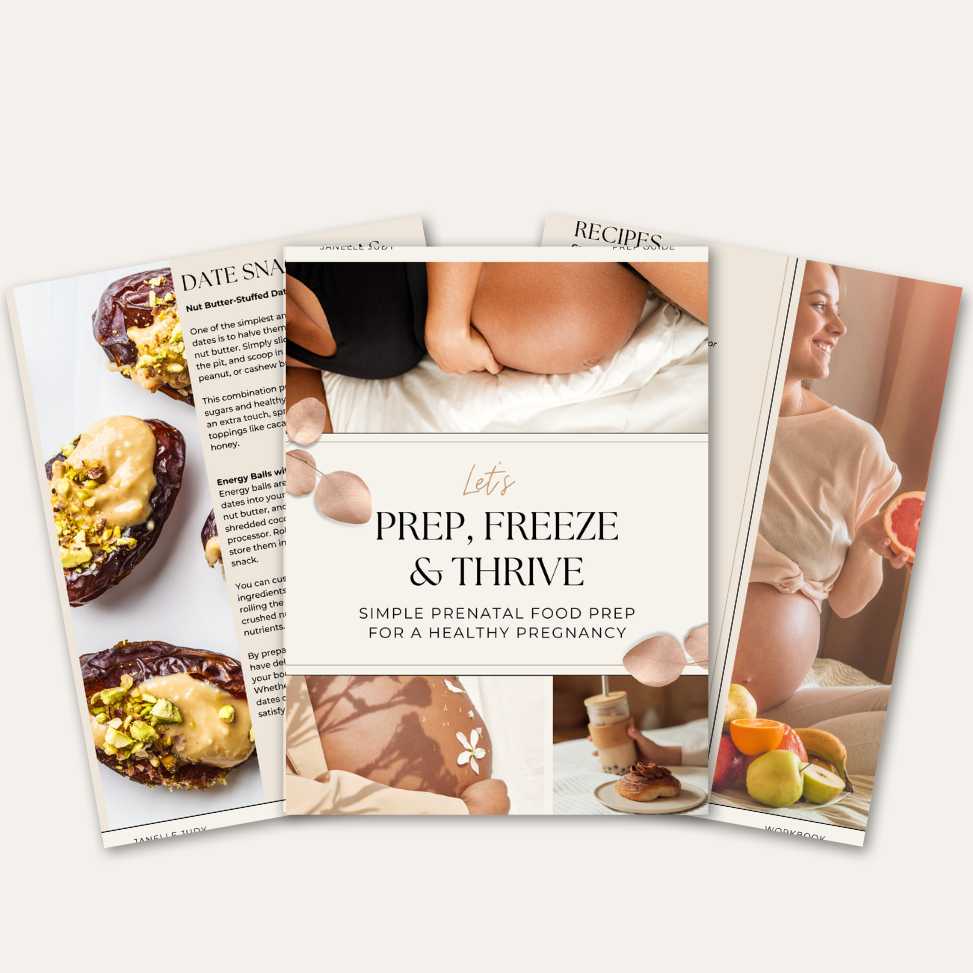
Before #3 I wanted to let you know about the amazing freezer prep guide I made specifically for pregnant mothers and what we go through!
3. Coffee Aversion (When Your Usual Coping Mechanism Disappears)
This one made everything worse because it took away my usual fix. You know how if your muscles hurt from the gym, you can drink coffee and it helps you move? Or if you’re feeling depressed, coffee helps you get up and face life? Well, when I had coffee aversion during all these other symptoms, I couldn’t just drink coffee to make it better.
I really wanted that rich, dark, hot drink in the morning when I’d get up early, bundle up in a sweater, and have my quiet time. So I had to get creative.
What Actually Helped With Coffee Aversion:
- Try adaptogen drinks – I switched to Rasa, which gave me that rich, dark, hot drink I craved. Their “Super Happy Sunshine” blend with lemon balm and cacao really helped lift my mood.
- Make cold-brew green tea – Leave green tea bags in a mason jar overnight in your fridge, then add pineapple juice and coconut water. Green tea has L-theanine which creates a calmer caffeine experience with slower release.
- Mix half coffee, half adaptogen – Eventually I was able to add small amounts of coffee back by mixing equal parts Rasa and coffee. This made a 16-ounce drink instead of 8, cutting the caffeine level in half per drink.
- Focus on the ritual, not just the caffeine – Sometimes it’s about the warm, comforting routine as much as the actual drink. Find something that gives you that same cozy morning feeling.
- Try liquid prenatals – If you’re dealing with extreme food or drink aversions, a liquid prenatal that absorbs quickly and doesn’t taste like medicine can be a lifesaver. Try this liquid prenatal, it’s from the same line of magnesium I use, I have trusted them for 10 years.
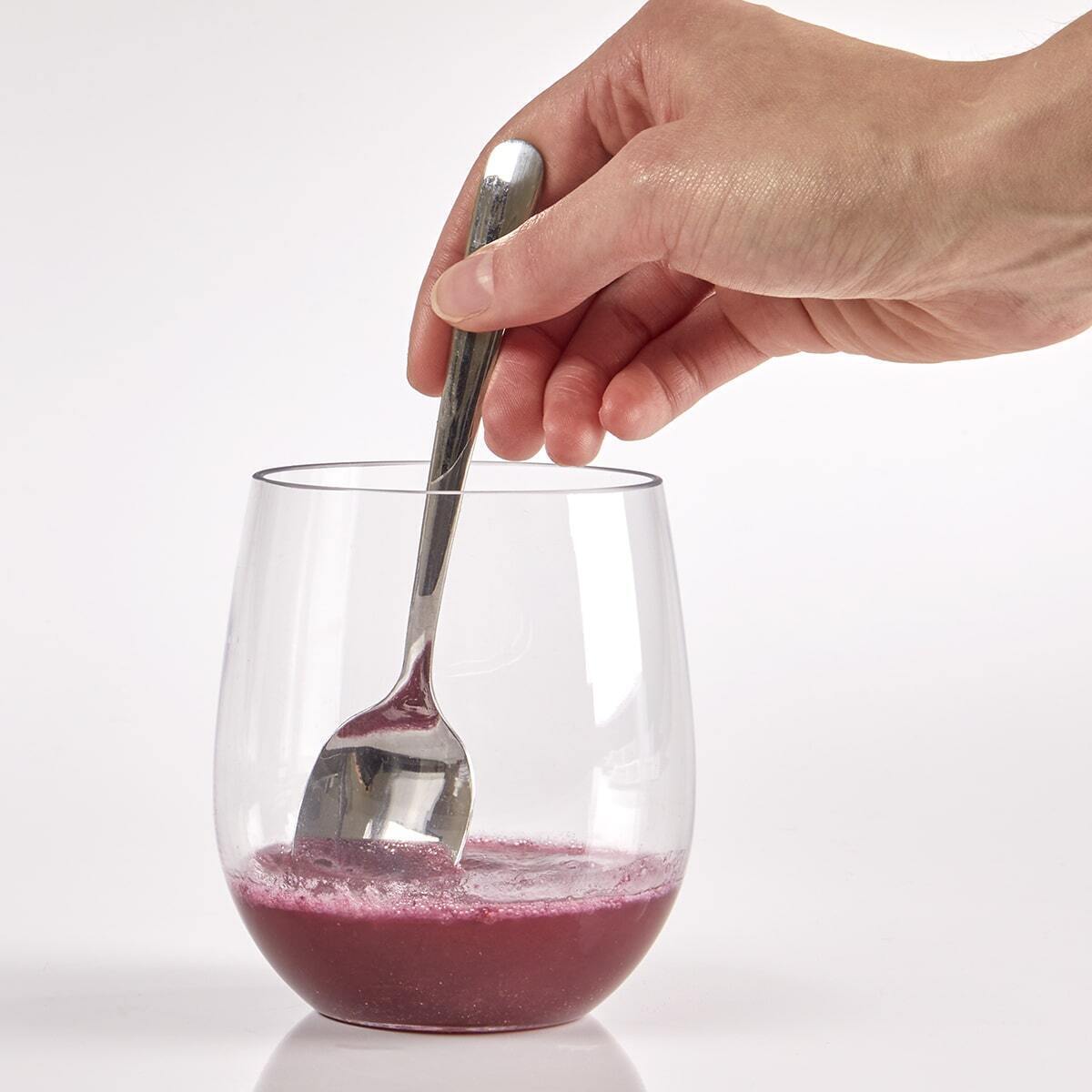
Get my top prenatal supplement recommendations.
The leg pain, anxiety and depression, and coffee aversion – none of it fully went away until after the baby. This is all connected to hormones and it’s completely natural. Your hormones will do crazy things and express themselves in crazy ways, even if you’ve been there and done that multiple times before.
Sometimes we just have to ride the wave and find new ways to cope, new self-care rituals. If pregnancy has disrupted your typical routines (especially your self-care), know that you’re not alone. It’s honestly so frustrating when our bodies change our plans on us.
This experience taught me something huge: You need backup plans, especially when it comes to self-care and nourishing your body during pregnancy.
If you’re dealing with any of these symptoms or have other surprising pregnancy experiences, please know you’re not alone. Share in the comments – sometimes just knowing someone else has been there makes all the difference.
Remember, mama: ask for support early and often, whether that’s from your spouse, healthcare provider, or an online community of parents. You’ve got this! 💕